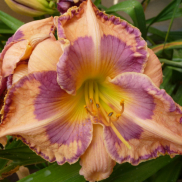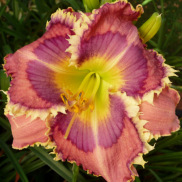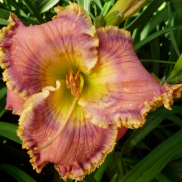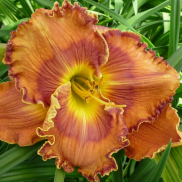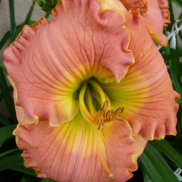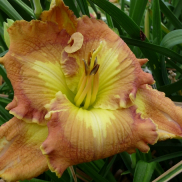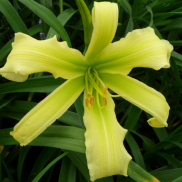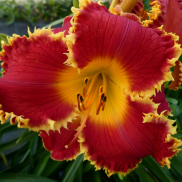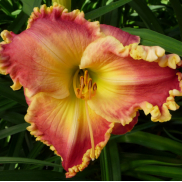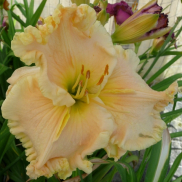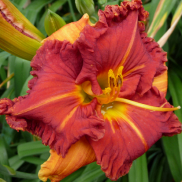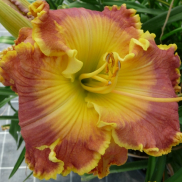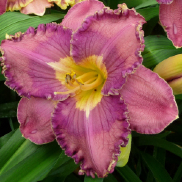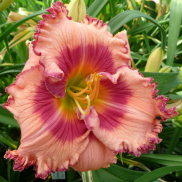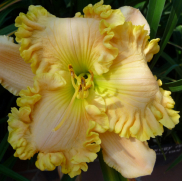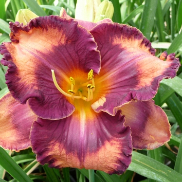
Seasonal Offer
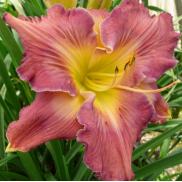
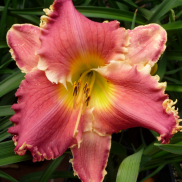
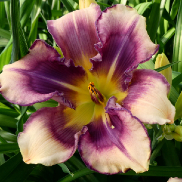
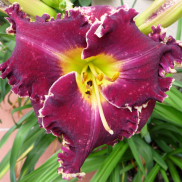
-50% on all Hemerocallis
"My 2026 Introductions" are excluded from the promotion.
Offer valid until June 30, 2026.
Find out the details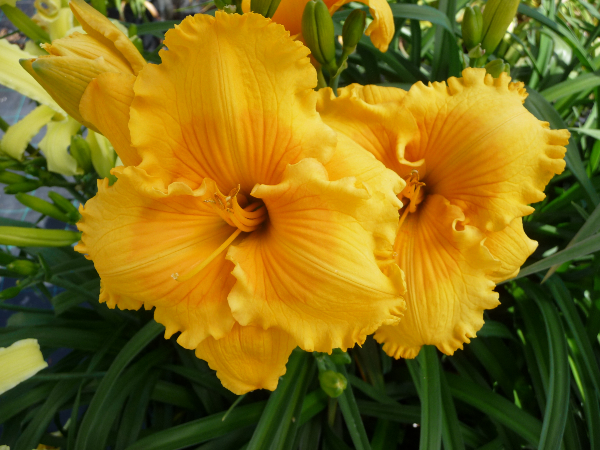
Hemerocallis Centro Italia
Specializing in the production, sale and hybridization of Hemerocallis.
A new look for a new growing location, now on new land, to continue offering you beautiful, robust, healthy plants at the right market price.
The plants are sold bare-root, ready to be potted or planted in the ground, and can be shipped throughout Italy and to European countries covered by the Euro.
Description
Promotion active: until June 30, 2026, 50% discount on all Hemerocallis varieties in the catalog with the exception of "My Introductions of 2026". Find out more
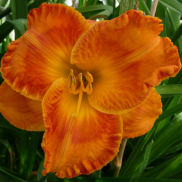
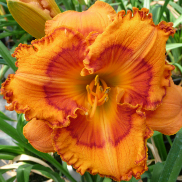
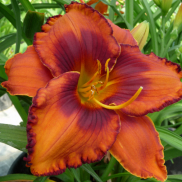
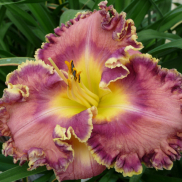
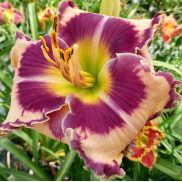
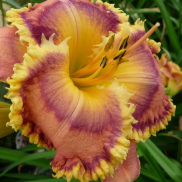
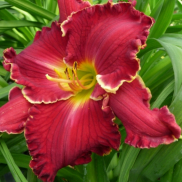
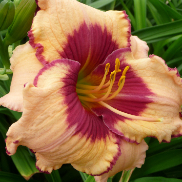
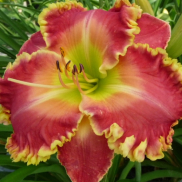
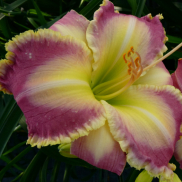
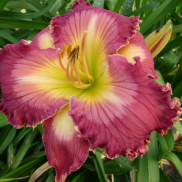
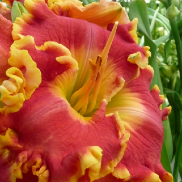
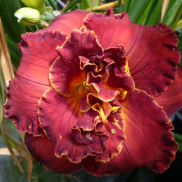
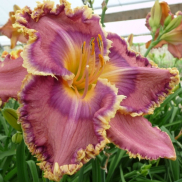
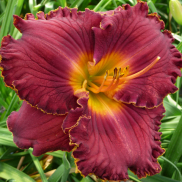
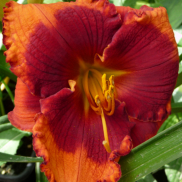
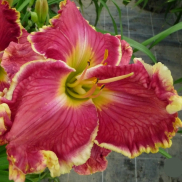
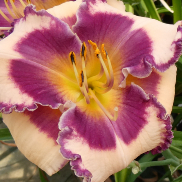
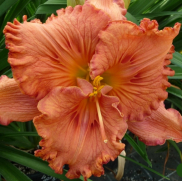
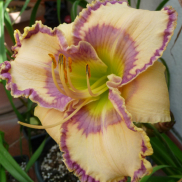
Hemerocallis are herbaceous perennials, part of the Liliaceae family, they originally came from the East, but with the advent of new hybrids, most of the production of new varieties comes from the United States and more precisely from the state of Florida, where most of the hybridizers are concentrated.
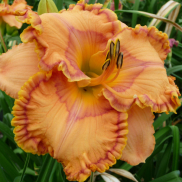
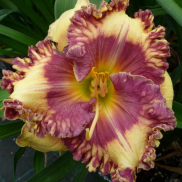
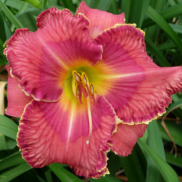
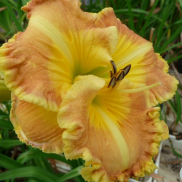
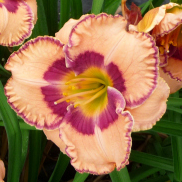
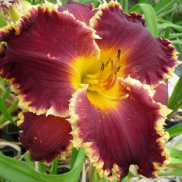
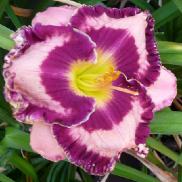
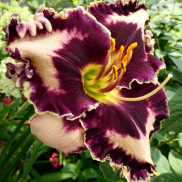
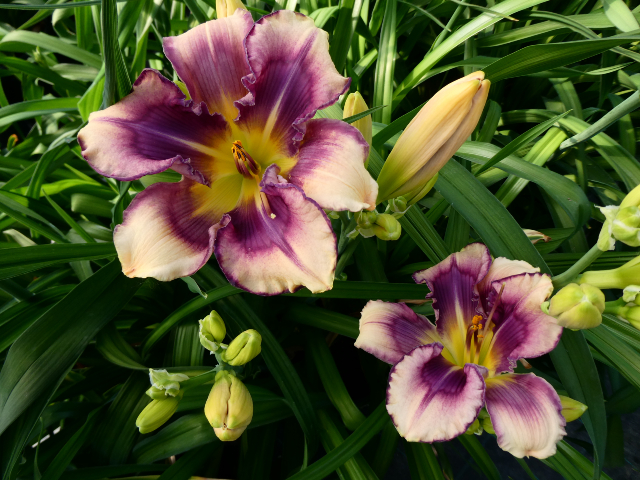
Hemerocallis have shiny green, ribbon-like leaves, from which, during the flowering period (May-October), the floral scape branches out, giving life to lily-like flowers. In new varieties, it can have up to 50 buds.
The underground part consists of a rhizome with fasciculated, very fleshy roots, which have the power to absorb a lot of water, which is why they resist long periods of drought. In California they are even used in traffic islands to prevent potential fires from spreading.
This peculiarity of the roots allows them to remain above ground, once extracted, even for a month, when external temperatures are around 20 °C.
Daylilies are very hardy plants, in fact they can withstand temperatures from +60°C to -20°C, furthermore they are almost disease-free and do not require special care such as scheduled fertilization or daily watering, practically making them plants even for those who do not have green fingers.
Planting Technique
Daylilies can be planted at any time, but the best months are always from September to November and from February to May. If planted in a sunny or slightly shaded position in fertile soil, they can be left undisturbed for several years.
The fertilization foreseen in open ground is mainly composed of organic fertilizer (manure or horn hoof), to be buried in the autumn months, while in the spring-summer months it is composed of mineral fertilizer with NPK in percentages 10-10-14.
A good rule of thumb is to keep them in a pot for a couple of months before planting them in the ground, to allow the plant to re-grow its root system.
For planting, the soil should be a couple of centimeters above the base of the plant, which is where the foliage meets the roots.
The substrate must be draining and have a good buffer effect; ideal soils are those that contain materials such as pumice, expanded clay or perlite.
After flowering, in the autumn months, the stems are cut almost to ground level.
Among the varieties, the queen for reflowering with a full 180 days of flowering is the Stella de Oro, which flowers in open ground from April until the first cold weather.
They are used as ground cover, to create borders, spots, flowerbeds and for street furniture, increasingly used by municipal administrations to fill road roundabouts.
When creating new gardens, even just a single corner of Hemerocallis will bring you great satisfaction. Furthermore, in today's ever-present "water emergency," these plants will increasingly take over due to the limited water required to grow them.